

Car Camping In Australia - Your Ultimate Guide 2026
Ever thought abought buuying a Car and exploring Australia on Wheels? Australias is the perfect country for Car travelling, with its georgeus beaches, remote attractions and long distances a car is the perfetc way to have a great time.
AUSTRALIARECENTDIY VANBUILD
PIA
5/16/20267 min read
Australia is one of the best countries in the world for car camping. Endless coastlines, remote outback roads, mountain escapes, and thousands of free campsites make it perfect for budget travellers and adventure seekers alike.
Whether you're planning a weekend getaway or a full lap around Australia, car camping gives you the freedom to explore at your own pace — without the cost of hotels or campervan rentals.
In this ultimate 2026 guide, we’ll cover everything you need to know about car camping in Australia, including legal tips, gear essentials, safety advice, free camping apps, and whether car camping is actually better than travelling in a campervan.
What Is Car Camping?
Car camping is exactly what it sounds like — travelling and sleeping in your car rather than staying in hotels, hostels, or a traditional campervan.
For many travellers, it’s the cheapest and easiest way to explore Australia.
Unlike full campervans, car camping usually involves:
sleeping in the back of zour Car (I have seen people travelling and sleeping in the tiniest of car, so whatever your budget or preference is you can make it work)
using basic camping equipment
cooking outdoors
staying at campsites or free camping areas
If you're still deciding between buying a car or a van, check out our full guide on Campervan vs Car in Australia – What’s Better?
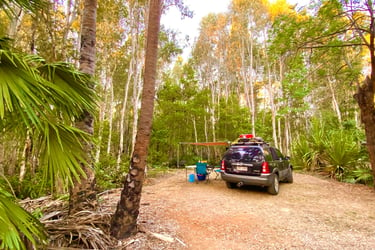
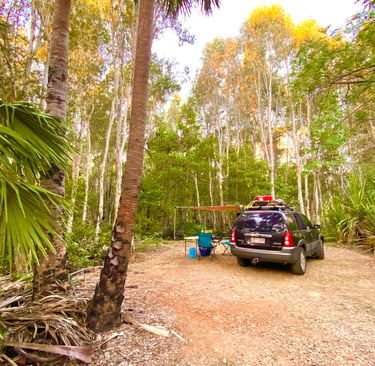
This was our Camping Set Up
Is Car Camping Legal in Australia?
Yes — but rules vary depending on the state and location.
Some areas allow free camping overnight, while others ban sleeping in vehicles entirely. National parks, rest stops, and designated free camps are usually your safest options.
Things to remember:
Check local council regulations (always keep an eye out for signs)
Use designated camping areas whenever possible
Never leave rubbish behind
Dont leave it to the last minute, plan ahead and know where youre cmaping before it gets dark
Apps like WikiCamps and CamperMate are essential for finding legal campsites.


Best Cars for Car Camping in Australia
As previously mentioned if you really want you cna make every car work.
Below is a list of the most common Cars used by Backpackers.
The best cars for car camping usually include:
Toyota Prado
Subaru Outback
Mitsubishi Pajero
Toyota HiAce
Nissan X-Trail
Ideal features include:
fold-flat seats (or just taek the back seats out to make room for a bed)
good fuel economy
reliable mechanics
enough storage space
roof rack compatibility
If you’re considering a full van setup instead, you might enjoy reading our guide on DIY Campervan Conversion
When we started travelling Australias we lived ina Madza Tribute. We used a Foam matress and took our Backseats out to have a permament bed in the back. We had plenty of storage room underneath the bed and also had a bag on top where we stored stuff we did not need regualy. We had our Camping table and chairs which makes cooking way much more comfortable. Even though I loved our set up and Car keep in mind that the Madza Tribute (or at least our Car) wasnt really good on fuel economy.
Essential Car Camping Gear for 2026
You don’t need expensive equipment to get started.
Here are the essentials:
Sleeping Setup
inflatable mattress or foam mattress (depending on your preference people also buy normal bed mattresses, but again this is also depending from your budget)
Blankets (depending where you go be prepared for cold nights)
blackout window covers
pillow
Cooking Gear
portable gas stove (depending on your type of cooking, you cna get dual stoves or just singular ones)
gas bottles for the stove
cooking utensils (plates, cutlery, pot, pans, chopping boards ect.)
cooler or fridge
water containers
Power & Lighting
power bank
rechargeable lantern
solar panel to mainly charge your fridge and small mobile devices
fairy lights for a cosy atmosphere
Safety Equipment
first aid kit
jumper cables
tyre repair kit
spare tyre (especially when you plan to drive in remote aread and Outback Australia ALWAYS carry a spare tyre)
extra water (to be used for drinking as well as doing dishes ect)
Jerry Can
Free Camping in Australia
One of the biggest advantages of car camping is the ability to stay at free campsites.
Australia has thousands of free and low-cost camping spots, especially in:
Queensland
Western Australia
Northern Territory
Free camps often include:
toilets
picnic tables
dump points
fire pits
If you're planning an outback adventure, make sure to read our Northern Territory travel guides for route inspiration and remote travel tips.
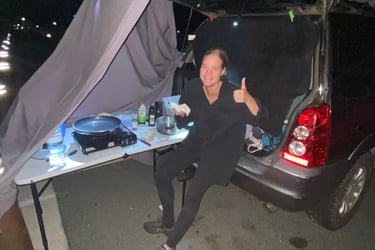
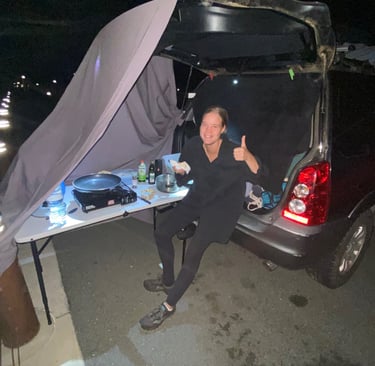
Different Type of free Camping:
Remote roadhouses and rest areas are also popular among long-distance travellers. In most Rest areas you are permitted to stay for up to 24hours and they usually have bins and sometimes even dump points.
Free Camps or RV Areas: When you travel through citys you will sometimes encounter marked RV Areas, those is usually a parking lot kind of space where you can park your vehicle up to 24/48hours, sometimes the have public toilets available too. Usually those are only allowed to use if you are "selfsufficien" meaning you have a toilet and shower in your Van. Nevertheless when we were still travelling in our car we used those parking possibiliteis as often as possible when we were travelling through a city. Just be careful to not leave any rubbish behind.
In some areas you wil also find free Camps, those could look from almost like a Campground with shower options to completetly basic patches of grass next to a river. The most memoriable one of those we used was the "Gregory River Free camping" area in QLD, which was nicely situated right next to a river which was the perfect cool down in the humid QLD heat and was not too crowded either. (Just be midnful of the Mosquitos, and believe me they were EVERYWHERE).
"Wild" Camping: This is probably one of the most famous Camping Styles in all of Australia. When I say wild cmaping I immediately think of a car parked upon the beach, beautiful sunsets and amazing nightskys. And yes in some cases that is definitely the case, but treat Wild Camping with coution. In a lot of places you are not allowed to do it so always check local regulations before you park up.
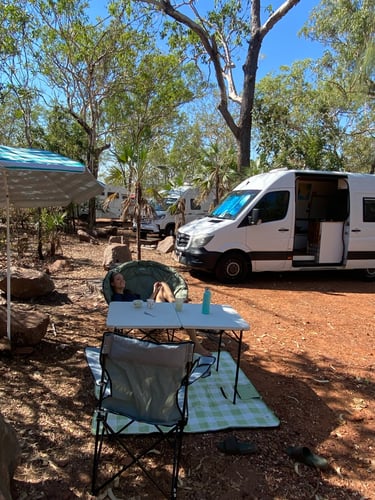
National Park Camping: In some National Parks they offer free basic Camps. Most of the times you have different options fo camp ground within one park ranign from the absolutel basic (just a spot ot park up) to Campground with toilets and showers, or just toilets up to the completeb Caravan park type of Camping experience. Those PArks usually require reservaiton in advance and depending on which style you choose you might need to pay a small fee (depending heavily on your season of visit too).
Home Stay Camping: You will see this type of Camping advertised all over the Country. Homestay Camping is typically a Farm or a family with access to land rent a space out for the night for you to camp. Those stays are usually cheaper than Campgrounds but usually includes showers and toielts too. Ofthen those stays comes twith the option to book extra ctivities with the owners. For example a homestay near the Pinnacle DEssert, WA offers you to participate in a early morning walking tour through a part of the NP which lies on the families land, and they also share information and insides into farmlife.
Campground in Litchfield NP, NT. 15AUD per person/Night
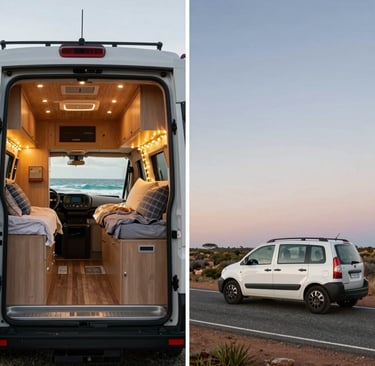
Car Camping vs Campervan Travel
Both options have pros and cons.
Car Camping Pros
cheaper fuel costs
lower purchase price
easier parking
more discreet
better fuel economy
Campervan Pros
more comfort
indoor cooking
better storage
easier long-term living
weather protection
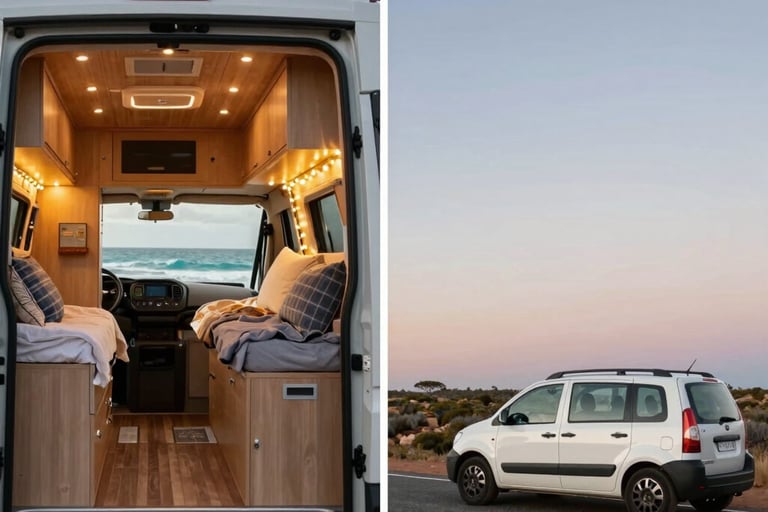
For a complete breakdown of costs, comfort, and practicality, check out our detailed comparison:
Campervan vs Car in Australia – What’s Better?
Best Places for Car Camping in Australia
Australia is built for road trips.
Some of the best regions for car camping include:
New South Wales
Coastal drives, beach campsites, and mountain escapes make NSW one of the best states for beginners.
Explore more in our NSW Travel Guides
Northern Territory
Perfect for outback adventures, national parks, and remote camping experiences.
Read more in our Northern Territory guides.
Sydney Road Trips
Sydney is an excellent starting point for weekend road trips and coastal adventures.
Check out our guide to 10 Things To Do in Sydney
My absolute Winner for camping in Australia is the East coast, for some very simple reasons. In a car you usually dont have a Shower or Bathroom and in the east coast you have so many beaches and with almost every beach comes a public restroom and showers. Sou you usually always have free showers and toilets and you dont need to pay for those facilities at a camground.


Car Camping Safety Tips
Australia’s conditions can be extreme, especially in remote areas.
Always:
carry extra water
carry spare tires and a jack
tell someone your route
plan your route in advance (escpecially slepping spots)
avoid driving tired
check road closures
keep emergency supplies
In summer, temperatures in the outback can become dangerous very quickly.
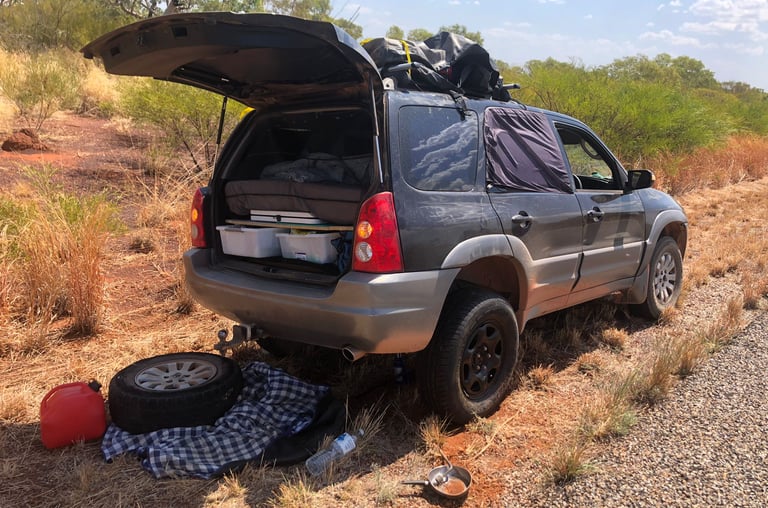
Our first flat tire in the middle of nowwhere in the Northern Territory
How Much Does Car Camping Cost?
Car camping is one of the cheapest ways to travel Australia.
Typical daily costs:
Fuel: $20–$80+
Campsites: Free–$25
Food: $15–$40
Showers/Laundry: $5–$15
Compared to hotels or campervan rentals, the savings can be massive.
For a detailed Cost comparision between Car and Capervan Travel visit my Blogguide Cartravel vs Campervantravel
Final Thoughts
Car camping in Australia is one of the best ways to experience the country on a budget while keeping complete freedom over your travel plans.
Whether you're chasing coastal sunsets, exploring the outback, or planning the ultimate Aussie road trip, a simple car setup can take you almost anywhere.
And if you eventually decide you want more comfort and storage, you can always upgrade later into a full campervan build.
Before you hit the road, don’t miss these helpful guides:
© 2025. All rights reserved.
Questions, Comments? Let us know!
Follow us and stay updated!