


The Ultimate Australia Bucket List: 11 Must-Do Experiences in 2026
In this guide, we’ve put together 17 incredible experiences you shouldn’t miss in 2026. Whether you’re planning a once-in-a-lifetime trip or looking for new ideas to explore this vast country, this bucket list will inspire your next adventure.
AUSTRALIA
Pia
3/12/202623 min read
Content:
Walk Around the Sydney Opera House and Sydney Harbour Bridge
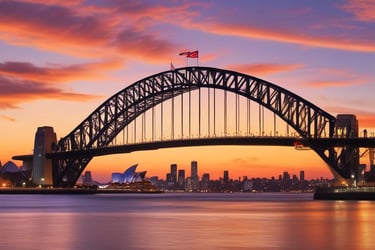
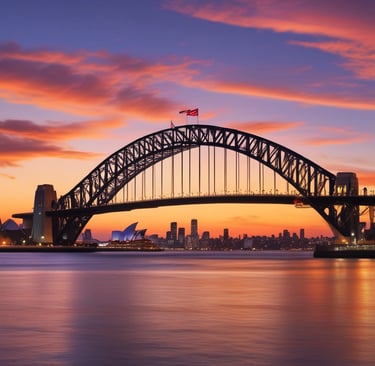
No visit to Australia is complete without seeing two of the country’s most iconic landmarks: the Sydney Opera House and the Sydney Harbour Bridge. Located in the heart of Sydney, these world-famous attractions sit along one of the most beautiful harbours on the planet and offer an unforgettable introduction to Australia’s largest city.
The Sydney Opera House is one of the most recognizable buildings in the world. Designed by Danish architect Jørn Utzon, the structure is famous for its sail-like design that rises dramatically above Sydney Harbour. Opened in 1973, it is now a UNESCO World Heritage Site and a cultural hub for concerts, theatre, and performances. Walking around the Opera House allows visitors to appreciate its unique architecture up close while enjoying stunning harbour views.
Just a short walk away stands the Sydney Harbour Bridge, affectionately known by locals as “The Coathanger.” This massive steel arch bridge connects central Sydney with the city’s northern suburbs and is one of the largest steel arch bridges in the world. From the waterfront, you can admire the impressive scale of the structure and watch ferries and sailboats moving across the harbour below.
One of the best ways to experience both landmarks is by strolling through Circular Quay, the lively harbour area that sits between them. The promenade is filled with street performers, cafés, restaurants, and ferry terminals, making it a vibrant place to soak up the atmosphere of Sydney.
For those looking for an extra adventure, the famous BridgeClimb Sydney allows visitors to climb to the top of the Harbour Bridge for breathtaking panoramic views of the city and harbour. Alternatively, you can simply walk across the pedestrian pathway for free and enjoy spectacular views of the Opera House and skyline.
Whether you’re watching the sunset over the harbour, taking photos along the waterfront, or enjoying a coffee nearby, walking around these two landmarks is a must-do experience that perfectly captures the beauty and energy of Sydney.
For more travel tips in Sydney Visit my Blogpost 10 Things to do while visiting Sydney
Visit Ayers Rock Uluru
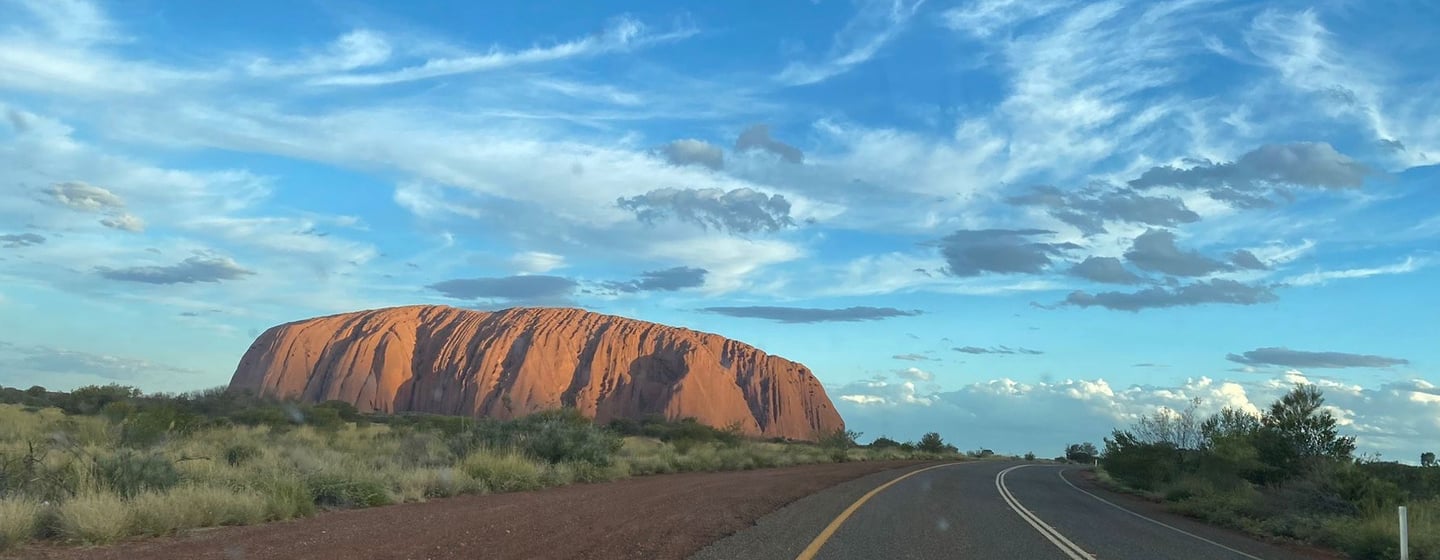
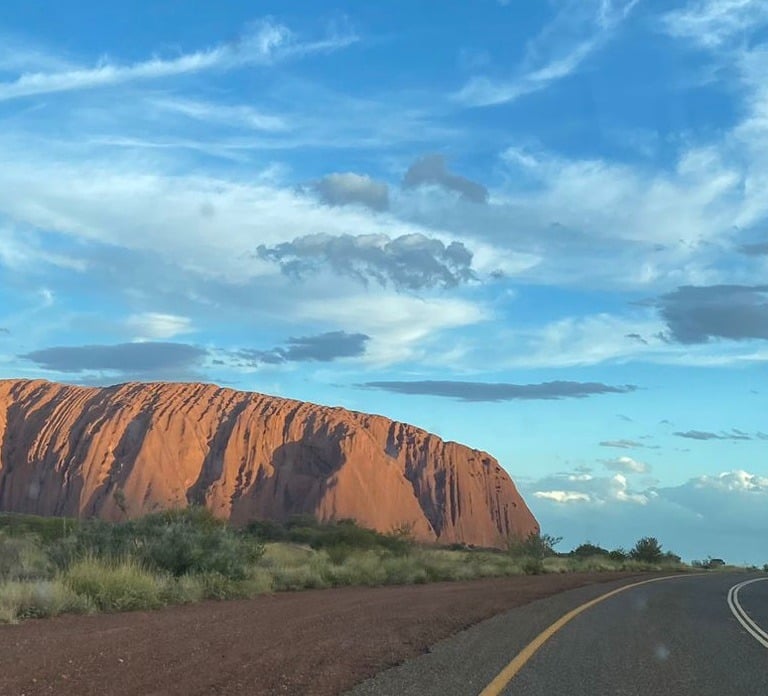
Ayers Rock, also known as Uluru, is an iconic Australian landmark that offers a rich tapestry of cultural significance and natural beauty. This massive sandstone monolith is located in the Northern Territory's Uluru-Kata Tjuta National Park, making it a pivotal part of Australia’s natural wonders. Not only is Uluru a UNESCO World Heritage Site, but it also holds spiritual importance for the Anangu people, the traditional custodians of the land. Visitors are encouraged to respect the cultural heritage by learning about the local customs and beliefs associated with this magnificent rock formation.
When planning a visit to Ayers Rock, travelers can expect an awe-inspiring experience that includes breathtaking sunrise and sunset views, offering a kaleidoscope of colors that transform the landscape. Guided tours led by knowledgeable Aboriginal guides provide insight into the geology, flora, and fauna of the area, alongside fascinating stories of the Anangu culture. The base walk around Uluru offers an opportunity to explore its unique environment up close, showcasing the rich wildlife and stunning rock art sites along the way.
Must To Dos at Ayers Rock:
Visit Ayers Rock and watch a sunset
Visit the Field of Light
Visit Kata Tjuta
Explore Yulara (The nearest Village with accomondations and food options)
Fore more information about Ayers Rock visit our Blog Post Your Guide to Uluru
Here you will find in depth information about visiting this famous Rock in Down Under.
Dive into the great Barrier Reef
In addition to Uluru, the Great Barrier Reef is another must-see natural wonder in Australia. Known for its unparalleled biodiversity, the reef features an array of marine life, from vibrant coral to exotic fish. Snorkeling and scuba diving experiences allow visitors to explore this underwater paradise, providing a unique perspective on the splendor of the reef. Marine tours and educational programs are also available, enhancing the experience while raising awareness about coral conservation efforts.
These experiences at Ayers Rock and the Great Barrier Reef encapsulate the extraordinary beauty of Australia’s natural environments, urging travelers to engage with and appreciate the land's unique offerings. A visit to these natural wonders is more than just sightseeing; it is an invitation to connect deeply with Australia's cultural and biological heritage.
Must To Dos at Great Barrier Reef:
Go snorkeling or Diving
Enjoy the beautiful corall Reef and Marine Wildlife


Planning Your Road Trip: A Journey Through Down Under
Embarking on a road trip across Australia is an exhilarating way to explore the country's vast landscapes, vibrant cities, and unique wildlife. Planning is essential to ensure that your adventure is both enjoyable and unforgettable. One of the first steps is choosing your route. Popular options include the iconic Great Ocean Road, which offers breathtaking coastal views, and the Pacific Coast Highway, known for its stunning beaches and national parks. For those seeking a more remote experience, the Outback routes provide a chance to see the rugged beauty of central Australia.
As you plan your journey, consider the must-see attractions along the way. The Twelve Apostles along the Great Ocean Road, Uluru in the Northern Territory, and the Great Barrier Reef are just a few highlights that should not be missed. Remember to include stops at charming towns, such as Byron Bay, known for its laid-back vibe, and Adelaide, famed for its culinary scene and festivals.
Choosing accommodations is another key aspect of your planning. Australia offers a range of options, from luxury hotels to camping sites that allow you to immerse yourself in nature. For those on a budget, motels and hostels provide excellent alternatives. It is advisable to book in advance, particularly during peak travel seasons, which typically encompass school holidays and the Australian summer.
The best time to embark on your road trip largely depends on the regions you plan to visit. Generally, spring (September to November) and autumn (March to May) offer pleasant weather, ideal for outdoor exploration. Carefully considering your route, attractions, and accommodations will enhance your trip as you create lasting memories traversing Australia’s diverse landscapes.
For more advice check out my Blog post about a Roadtrip along Australias beautiful East Cost: A Guide to Roadtrip Austalias Epic East Coast
Meet the Unique Wildlife: Kangaroos, Koalas, and More
Australia is renowned for its rich biodiversity and unique wildlife, attracting millions of visitors eager to encounter its iconic species. Among the most recognizable are kangaroos and koalas, species that epitomize the country's diverse ecosystem. Travellers can find kangaroos in various locations, from urban parks to nature reserves. Areas such as the Australian National Botanic Gardens in Canberra and the more remote Flinders Ranges in South Australia offer visitors opportunities to see these marsupials in their natural habitat.
Koalas, another quintessential symbol of Australian wildlife, can predominantly be seen in eucalyptus forests across the eastern and southern regions of the country. Locations such as the Lone Pine Koala Sanctuary in Brisbane and the Great Otway National Park in Victoria are perfect spots for observing koalas, as they thrive in these environments. While it might be tempting to approach these adorable creatures, it is vital to maintain a respectful distance and refrain from touching them to ensure their wellbeing.
Aside from kangaroos and koalas, Australia is home to a variety of unique wildlife, including the intriguing saltwater crocodile. These formidable reptiles can be observed in their natural habitats in the northern regions, particularly in the wetlands of Kakadu National Park in the Northern Territory. When viewing crocodiles, safety should always be a priority. Join guided tours that follow strict safety protocols, ensuring both the observers' and the animals' protection.
Responsible wildlife watching is essential. Avoid feeding animals, as this can disrupt their natural behaviors and diet. Many parks and reserves are equipped with informative signage about local wildlife, offering insights into how to enjoy and appreciate these remarkable animals without causing them harm. Ultimately, Australia’s unique wildlife remains one of the most memorable aspects of any journey through this vast and diverse land.
Widllife you must encounter at least once:
Kangaroos
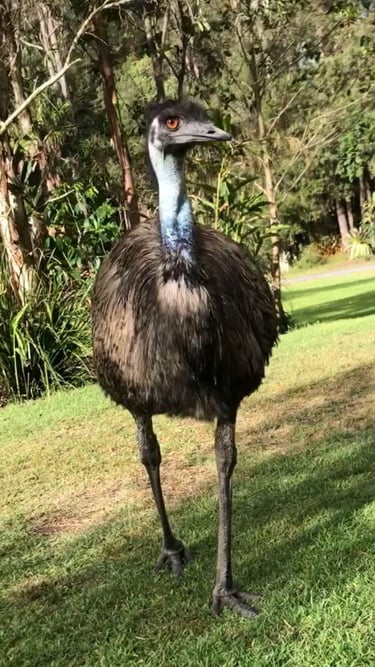
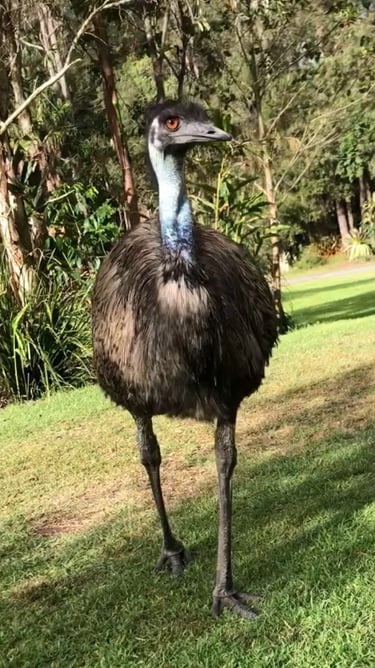
Emus
Crocodile
Koalas
Binchicken (if you knwo you know)
Humpback Whales
Savoring Australian Cuisine: Vegemite and Tim Tams
Australia boasts a rich culinary heritage, and among its icons, Vegemite and Tim Tams stand out as essential experiences for those looking to immerse themselves in the local food culture. Vegemite, a dark brown paste made from brewers yeast extract, is known for its salty and umami flavor. Traditionally spread on buttered toast, it is often enjoyed as a quick breakfast or afternoon snack. For those new to Vegemite, it's advisable to start with a thin layer, as its strong taste can be quite overwhelming for first-time tasters.
Many cafes and breakfast spots across Australia serve Vegemite toast, making it easy to discover this beloved spread. Iconic chains like Banana Blossom in Sydney or Flat White in Melbourne offer variations with fresh avocado or melted cheese, which can make the experience more palatable for newcomers.
On the sweeter side, Tim Tams are a cherished Australian chocolate biscuit that consists of two layers of chocolate malt biscuits with a creamy filling, all encased in a layer of smooth chocolate. A popular way to enjoy Tim Tams is through the "Tim Tam Slam," where one bites off the corners and uses the biscuit as a straw to sip hot beverages, creating a delightful fusion of flavors. For authentic Tim Tams, visit local supermarkets or specialty confectioneries; Coles and Woolworths are two reliable chains that carry these snacks.
Fun fact: Tim Tams were first launched in 1964 and have since become a staple in Australian households, often included in care packages for those living abroad. Meanwhile, Vegemite, first produced in 1922, has also retained its status as a quintessential item in Australian pantries. Together, these treats encapsulate the diverse flavors and unique culinary traditions of the country, making them essential items to savor during your Australian adventure.
Australian Foods you cant miss:
Tim Tams
Golden Gaytime
Vegemite (just try a little bit on a toasted butterd Bread)
Chicken Parmi (the iconic Pub food)


Shopping & Culture: Kmart and Local Markets
The shopping landscape in Australia offers a delightful blend of modern retail experiences and traditional local markets, each providing unique insights into the country's culture and lifestyle. A notable player in this realm is Kmart, a chain that has gained immense popularity for its affordable products ranging from home goods to clothing. With locations across urban and suburban areas, Kmart acts as a community hub where Australians routinely visit for their shopping needs. It reflects the Australian ethos of providing value without sacrificing quality, making it a must-visit for travelers seeking practical souvenirs and essentials.
In addition to Kmart, it is essential to explore the vibrant local markets that dot Australian cities and towns. These markets are often bustling with activity and provide a more intimate glimpse into local life. Here, one can find a variety of products, from handmade crafts to fresh produce, all of which showcase the diversity of Australian culture. Markets such as the Queen Victoria Market in Melbourne or the Fremantle Markets in Perth offer travelers an opportunity to purchase unique items that are often steeped in local traditions.
When visiting these local markets, one should look for artisan goods, locally sourced food, and handmade souvenirs that would serve as memorable keepsakes of the trip. Moreover, these markets often feature live music and cultural performances, reinforcing their role not just as shopping venues but as vibrant community spaces where culture flourishes. With each purchase, travelers not only take home tangible memories but also contribute to the sustainability of local artisans and growers.
Shopping Options you cant miss:
Kmart
local markets
Fun Fact: Did you know that the W in Big W stands for Woolworths? I know i know...


Nature's Canvas: Iconic Sunrises, Sunsets, and Stargazing
Australia's natural beauty offers an astonishing tableau of landscapes, ideal for witnessing breathtaking sunrises and sunsets. The country's vast outback, with its expansive horizons, provides a unique opportunity to experience these daily spectacles in their most captivating forms. One of the most iconic locations for sunrise enthusiasts is Uluru, also known as Ayers Rock. As the first light of dawn peeks above the horizon, it transforms the sandstone monolith into a palette of reds and oranges, inducing a sense of tranquility and reverence among onlookers.
In contrast, sunsets over the Great Barrier Reef are truly remarkable, as the sun dramatically dips into the Coral Sea, casting vibrant hues that dance across the water. Viewing a sunset from aboard a boat or even from the beach enhances the beauty, allowing for an immersive experience that showcases the serene yet striking coastal environment.
Beyond the stunning horizon displays, Australia’s clear skies make it an exceptional destination for stargazing. Away from the light pollution of urban areas, such as in the Outback or national parks like Kakadu and the Blue Mountains, the night sky reveals a breathtaking spectacle of stars. Visitors can see a multitude of celestial bodies, including the Southern Cross and the Milky Way, providing a stunning backdrop for reflection and inspiration. Guided stargazing tours are available in several locations, offering insights into Indigenous astronomy and cosmic stories that have been passed down through generations.
The combination of captivating sunrises, mesmerizing sunsets, and extraordinary stargazing opportunities makes Australia an unparalleled canvas of nature's beauty. These experiences are not just visual treats; they embody a profound connection to the natural world that encourages a mindful approach to appreciating the grandeur of our planet.
Do not dare to miss:
Stargazing in one of many places (Pinnacle Dessert WA, Uluru NT, Flinders Rangers SA and so on)
A stunning Sunset or Sunrise in Australias Outback or on the Coast
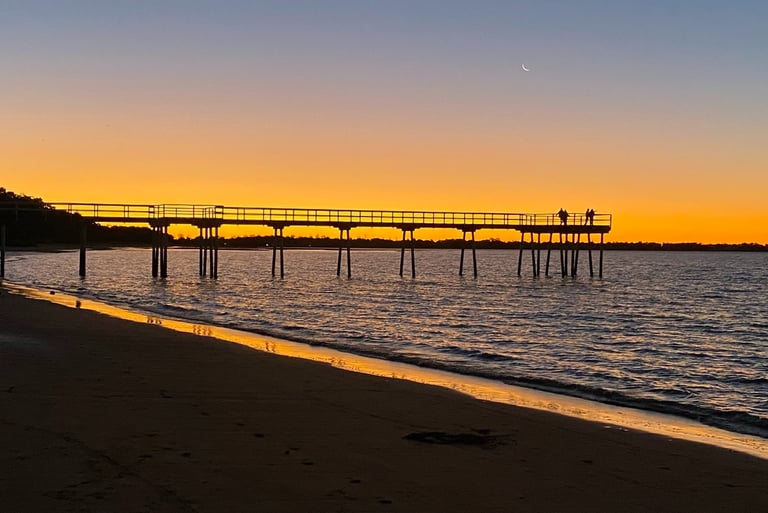


Exploring Australia’s Coastal Towns: The Coastal Lifestyle
Australia's coastal towns are a treasure trove of unique experiences, offering visitors a chance to immerse themselves in the country's stunning natural beauty and laid-back lifestyle. These towns, each with distinct characteristics, attract travelers seeking relaxation and adventure alike. From the vibrant culture of Byron Bay to the historic charm of Port Fairy, the coastal towns play a vital role in showcasing Australia’s diverse coastal lifestyle.
One of the major attractions in these seaside communities is their accessibility to pristine beaches. Activities such as swimming, sunbathing, and building sandcastles are common sights, but the excitement doesn't end on the shore. For those craving adventure, snorkeling in the crystal-clear waters allows for encounters with vibrant marine life. Locations like Ningaloo Reef or the Great Barrier Reef are renowned for offering unparalleled underwater experiences, making them must-visit destinations within these coastal towns.
In addition to water activities, Australia’s coastal towns often serve as gateways to breathtaking national parks. Hiking trails that wind through lush rainforests offer stunning views of coastal landscapes and the chance to spot unique flora and fauna. Towns like Noosa are perfectly situated near national parks, making it easy for visitors to explore the scenic beauty that surrounds them. These adventures not only encourage a connection with nature but also promote a healthier lifestyle that is central to the coastal living experience.
The lifestyle in these towns is characterized by a strong sense of community, with many events celebrating local culture and art. Farmers' markets, art festivals, and music events frequently take place, giving visitors a taste of local life. Dining options, ranging from fresh seafood at beachfront restaurants to cozy cafes, further enhance the coastal experience, emphasizing fresh, locally-sourced produce. As such, exploring Australia’s charming coastal towns not only provides a refreshing escape but also an opportunity to embrace the unique lifestyle offered along the coast.
A few of our favorite Coastal Towns:
Noosa QLD
Rainbow Beach QLD
Kalbarri WA
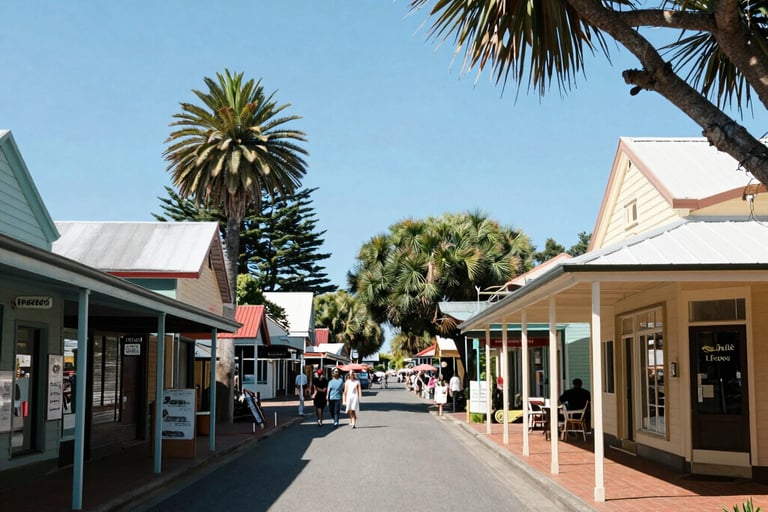
Experience the Magic of the Australian Outback
No trip to Australia feels complete without venturing into the legendary Australian Outback. This vast, remote landscape covers most of the continent and offers a side of the country that feels completely different from the busy coastal cities. It’s a place of endless horizons, red earth, rugged beauty, and a deep sense of quiet that’s hard to find anywhere else in the world.
One of the most unforgettable experiences in the Outback is witnessing the sunrise and sunset. As the sun climbs above the horizon in the early morning, the desert landscape slowly transforms from deep purples and blues into glowing shades of orange and red. The light spills across the sand and rock formations, creating a peaceful moment that feels almost timeless. In the evening, the process reverses as the sky explodes into brilliant colors—fiery reds, pinks, and golds—before fading into night. Watching the sun dip below the flat desert horizon is a simple but breathtaking experience.
After dark, the Outback becomes one of the best stargazing locations on Earth. With almost no light pollution and vast open skies, the stars appear brighter and more numerous than many people have ever seen before. On a clear night you can easily spot the Milky Way stretching across the sky like a glowing river of light. Constellations stand out sharply, and the silence of the desert makes the moment feel even more surreal. Many travelers say this is one of the most memorable parts of visiting the region.
However, the Outback is also famous for its extreme daytime heat. During the day, temperatures in the desert can climb well above 40°C (104°F), especially in the summer months. The sun is intense, and the landscape can feel harsh and unforgiving. It’s important to carry plenty of water, wear sun protection, and plan activities early in the morning or later in the afternoon when the heat is less intense.
Despite its brutal daytime temperatures, the Outback’s beauty and scale make it a truly unforgettable destination. Its vast emptiness, dramatic skies, and raw natural power give visitors a rare opportunity to experience one of the world’s last great wilderness regions.
Things in the Outback you have to experience:
If you are on a WHV get a remote Job in the Outback and dive into the remote live
Check out one of those spectacular Outback Sunsets
Feel small in the vast landscape around you
Break down in the Outback on a Roadtrip (1 flat tire is a must and happens more often than you wish for...)
Experience Life in a Remote Outback Community
Another unforgettable way to experience Australia is by spending time in a remote community tucked deep within the Outback. Far away from major cities and busy highways, these small towns and settlements offer a glimpse into a slower, simpler way of life shaped by isolation, resilience, and strong local connections.
Life in these communities moves at a very different pace. With only a handful of shops, a small school, and perhaps a local pub or community center, everyone tends to know one another. Visitors are often surprised by how welcoming people can be. In places where neighbors may live hundreds of kilometers apart, friendliness and cooperation are an essential part of daily life.
The surrounding landscape plays a huge role in everyday routines. Vast red deserts, dry riverbeds, and scattered bushland stretch out in every direction. Supplies are often delivered from distant towns, sometimes after long drives along dusty roads. Because of this isolation, residents learn to be resourceful and self-reliant, fixing problems themselves and making the most of what they have.
Staying in one of these communities gives travelers a chance to understand what daily life in the Outback is really like. Mornings might begin with the sound of birds and the rising desert sun, while evenings are often spent gathering with locals, sharing stories, or simply enjoying the quiet under a sky full of stars.
For many visitors, this experience becomes one of the most meaningful parts of their trip. It reveals a side of Australia that few tourists see—one defined not by famous landmarks, but by wide-open space, strong community spirit, and a deep connection to the land.
Swim with Humpback Whales
For a truly unforgettable wildlife experience, few activities compare to swimming alongside Humpback Whale along Australia’s coastline. Every year, thousands of these gentle giants migrate through Australian waters, offering a rare opportunity for visitors to witness them up close in their natural environment.
One of the best times to experience this is during the annual whale migration, when humpbacks travel between Antarctica and the warmer waters of Australia to breed and give birth. As they move along the coast, they often pass near popular whale-watching destinations such as Ningaloo Reef and Exmouth in Western Australia. In some locations, guided tours allow small groups of swimmers to carefully enter the water while experienced guides ensure the whales are approached safely and respectfully.
Seeing a humpback whale from a boat is impressive—but being in the water with one is something entirely different. These animals can grow up to 16 meters long, yet they often move gracefully and calmly through the ocean. Swimmers sometimes hear their haunting whale songs echoing through the water before even seeing them, creating an atmosphere that feels almost surreal.
Encounters can be surprisingly gentle. Curious whales may slowly glide past or circle at a distance, sometimes accompanied by playful calves staying close to their mothers. Moments like these offer a powerful reminder of the scale and beauty of the natural world.
Of course, strict rules protect both the animals and swimmers. Tours maintain safe distances, limit group sizes, and only allow interactions when the whales appear calm and comfortable. This ensures the experience remains respectful and sustainable.
Swimming with humpback whales is not just an adventure—it’s a once-in-a-lifetime moment that leaves many travelers with a deep appreciation for Australia’s incredible marine wildlife.


Visit one of Australias many Ghost Town
Wandering Through a Forgotten Place: Exploring the Ghost Town of Gwalia
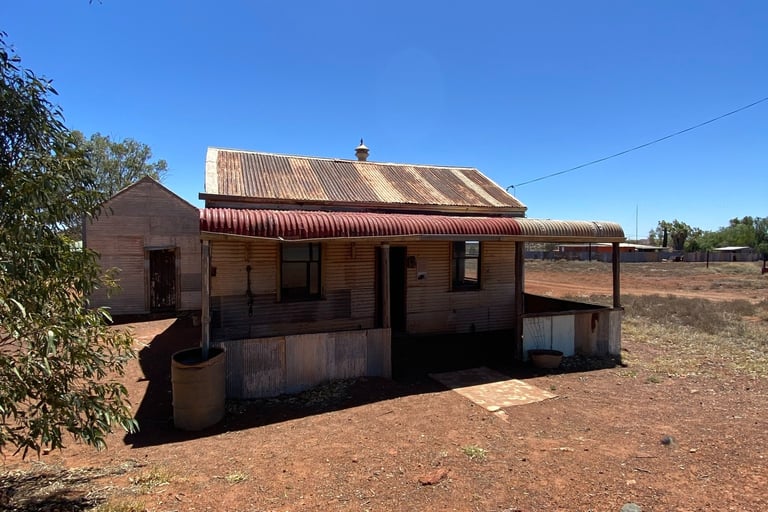
A Ghost Town was not really on our Bucket List and we kind of stumbled accross it. When we left Kalgoorlie WA, and head up north towards a new job opportunity we were planning our Route and came accross various Ghost Towns. A quick Google search later and it was clear Gwalia was a must stop on that little road trip through the Outback.
Australia’s vast outback is full of stories—some loud and proud, others quiet and nearly forgotten. One such place is the ghost town of Gwalia, a hauntingly beautiful reminder of the country’s gold rush past. Located near the town of Leonora in Western Australia, Gwalia once thrived as a bustling mining community. Today, its weathered buildings and empty streets offer visitors a fascinating glimpse into life more than a century ago.
Gwalia sprang to life in the late 1800s after gold was discovered in the region. At its peak in the early 20th century, the town supported hundreds of miners and their families who worked at the nearby Gwalia Gold Mine. Like many settlements born during the gold rush era, Gwalia grew quickly. Wooden cottages, shops, and community buildings appeared almost overnight as people flocked to the area hoping to strike it rich.
Life in Gwalia was far from easy. The desert environment meant scorching summers, limited water, and isolation from major cities. Yet the community managed to build schools, social clubs, and places of worship. The mine itself became famous when it was managed by a young engineer named Herbert Hoover, who would later become the 31st President of the United States.
Despite its success, Gwalia’s prosperity was tied entirely to the mine. When the gold operation eventually closed in 1963, the town’s fate was sealed. Almost overnight, residents packed their belongings and left in search of work elsewhere. What remains today is a remarkably preserved ghost town, where abandoned homes still cling to the dusty hillside.
Walking through Gwalia today feels like stepping back in time. Corrugated iron buildings creak in the wind, and old machinery rusts quietly in the desert sun. Visitors can explore the restored cottages and visit the Gwalia Museum, which tells the story of the miners and families who once called this place home. Photographs, mining equipment, and personal items reveal the challenges and resilience of life in the outback during Australia’s gold rush era.
Unlike many ghost towns that have vanished entirely, Gwalia has been carefully preserved. This allows travelers, historians, and curious explorers to experience a rare piece of Australian heritage. Standing among the silent buildings, it’s easy to imagine the clatter of tools, the laughter of families, and the hopeful dreams of miners searching for gold.
Today, Gwalia is more than just an abandoned settlement—it’s a powerful reminder of how quickly fortunes can rise and fall in the harsh but captivating landscapes of the Australian outback. For anyone fascinated by history, adventure, or the mystery of forgotten places, a visit to this ghost town is an unforgettable journey into Australia’s past.
Meet the Smiling Quokkas of Rottnest Island
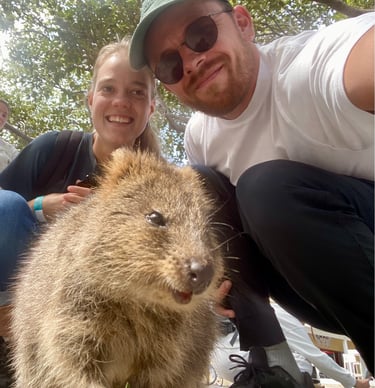
No trip to Western Australia feels complete without meeting one of the country’s most adorable animals: the quokka. Often called “the world’s happiest animal,” quokkas are small marsupials known for their round faces, curious personalities, and what looks like a permanent smile. Seeing them in the wild is a uniquely Australian experience—and one you won’t soon forget.
The best place to see quokkas is Rottnest Island, located just off the coast of Perth in Western Australia. The island is home to the largest population of these friendly creatures, and because there are no large predators, quokkas roam freely across the island. Visitors often spot them around bike paths, beaches, and even near cafés and accommodation areas.
Getting to Rottnest Island is part of the adventure. Ferries run regularly from Fremantle, Perth, and Hillarys, and the journey takes around 25–45 minutes depending on the departure point. Once you arrive, the island feels like a relaxed paradise with no private cars—most visitors explore by bicycle or shuttle bus.
Quokkas are surprisingly curious and often wander close to people, which is why photos with them have become famous around the world. The iconic “quokka selfie” has even attracted celebrities and wildlife lovers alike. While the animals appear very friendly, it’s important to remember they are still wild. Visitors should never feed or touch quokkas, as human food can harm them and disturb their natural behavior.
Beyond spotting quokkas, Rottnest Island offers stunning turquoise bays, quiet beaches, and scenic cycling routes. Many travelers rent a bike and spend the day exploring the island’s hidden coves, historic sites, and coastal viewpoints. Along the way, you’ll likely encounter several quokkas relaxing in the shade or hopping along the trails.
If you want the best chance to see them active, try visiting early in the morning or late in the afternoon when the weather is cooler. During the middle of the day, quokkas tend to rest in shaded areas to avoid the heat.
Seeing quokkas on Rottnest Island is more than just a wildlife encounter—it’s one of those joyful travel moments that captures the spirit of Australia. Between their charming smiles and the island’s breathtaking scenery, it’s easy to see why meeting these little marsupials has become a must-do experience for visitors.
For immersive Guide on Rottnest Island visit my Complete Guide for Rottnest Island
Visit One of Australia’s Pristine Beaches
Australia is home to some of the most beautiful beaches in the world. With more than 10,000 beaches stretching across the country’s coastline, it’s easy to find soft white sand, crystal-clear water, and breathtaking ocean views. Visiting one of Australia’s pristine beaches is a bucket list experience that perfectly captures the country’s relaxed outdoor lifestyle.
One of the most famous beach destinations is Whitehaven Beach, located in the spectacular Whitsunday Islands. Known for its pure white silica sand and vibrant turquoise water, Whitehaven Beach regularly appears on lists of the world’s best beaches. The swirling patterns of sand and sea at Hill Inlet create one of the most photographed coastal views in Australia.
On the west coast, Lucky Bay in Cape Le Grand National Park offers another unforgettable beach experience. The sand is dazzlingly white and the water is calm and bright blue. What makes Lucky Bay especially iconic is the chance to see kangaroos relaxing on the beach—something that feels uniquely Australian.
If you’re visiting Sydney, the famous Bondi Beach is a must-see. While it’s more popular and lively than remote beaches, Bondi offers an authentic taste of Australian beach culture. Visitors can swim between the flags, watch surfers ride the waves, or take the scenic coastal walk from Bondi to Coogee Beach.
Further north in tropical Queensland, Four Mile Beach provides a stunning stretch of golden sand framed by palm trees and rainforest-covered mountains. It’s the perfect place for sunrise walks, swimming, and relaxing after exploring the nearby Great Barrier Reef.
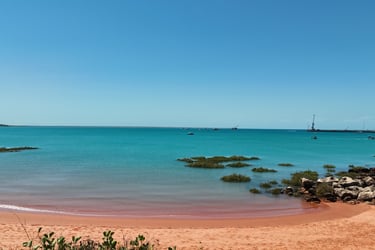
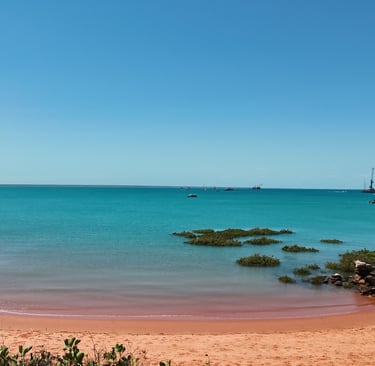
And dont forget to explore one of Broomes WA, magical Beaches, from pristine white sandy beaches, to fierey red sand beaches Broome has loads to offer. Visit Simpson Beach for a Instagram famous Snap, or chill out on Cable Beach to glimpse the famous Camel Ride on the Beach during Sunset.
Whether you’re exploring remote coastal parks or famous surf spots, Australia’s beaches offer something for everyone. From wildlife encounters to snorkeling, surfing, or simply soaking up the sunshine, spending time on one of these pristine shores is an essential Australian experience. It’s the kind of place where you can slow down, breathe in the salty air, and appreciate the natural beauty that makes Australia such an incredible travel destination.


Visit One of Australia’s Pink Lakes
One of Australia’s most unusual natural wonders is its collection of pink lakes. These striking bodies of water range from soft pastel pink to vibrant bubblegum shades, creating landscapes that look almost surreal. Visiting one of Australia’s pink lakes is a truly unique experience and a perfect addition to any travel bucket list.
The pink colour comes from a combination of salt-loving algae and bacteria that thrive in highly saline environments. When conditions are right—especially during warm, sunny weather—the pigments produced by these microorganisms turn the water brilliant shades of pink. The result is an incredible natural phenomenon that attracts photographers, nature lovers, and curious travellers from around the world.
One of the most famous pink lakes is Lake Hillier, located on Middle Island near Esperance. What makes Lake Hillier particularly remarkable is its intense bubblegum-pink colour, which remains vibrant year-round. The best way to see this spectacular lake is from the air on a scenic flight, where the contrast between the pink water, deep blue ocean, and green forest creates an unforgettable view.
Another well-known pink lake is Lake MacDonnell, famous for the unique road that separates bright pink water on one side from turquoise water on the other. This stunning visual contrast has made it a popular stop for travellers exploring the Eyre Peninsula.
In Victoria, Lake Tyrrell is another beautiful destination. As the largest salt lake in the state, it is known not only for its pink hues but also for its incredible reflections and night skies. On calm days, the lake can look like a giant mirror, making it a favourite spot for photographers and stargazers.
These lakes may change colour depending on weather, sunlight, and water conditions, which makes every visit slightly different. Whether you’re taking photos, flying overhead, or simply admiring the unusual colours, visiting one of Australia’s pink lakes is an unforgettable experience that shows just how diverse and surprising the country’s landscapes can be.


Take a Surfing Lesson or Catch a Wave
Australia is one of the best places in the world to experience surfing. With thousands of kilometres of coastline and some of the planet’s most famous surf beaches, learning to surf—or simply watching the professionals ride the waves—is an unforgettable Australian experience. Whether you’re a complete beginner or already comfortable on a board, catching a wave in Australia is a bucket list activity.
One of the most popular places to try surfing is Bondi Beach in Sydney. Bondi is known not only for its golden sand and lively atmosphere but also for its reliable waves, making it a fantastic place for beginners to take their first lesson. Several local surf schools offer guided lessons where instructors teach the basics of paddling, balancing, and safely standing up on the board.
Further north, Byron Bay is another iconic surf destination. With its laid-back coastal vibe and beautiful beaches, Byron Bay attracts surfers from around the world. Beginners often head to The Pass, where the waves are long and gentle enough for learners to practice. More experienced surfers can explore nearby breaks that offer bigger and more challenging waves.
In Queensland, the Gold Coast is famous for its incredible surf conditions. Beaches like Surfers Paradise Beach and Snapper Rocks are world-renowned and regularly host professional surfing competitions. Even if you’re not surfing yourself, it’s exciting to watch skilled surfers carving through powerful waves.
Taking a surfing lesson is not just about learning a sport—it’s also about embracing Australia’s beach culture. Surfing has been part of the country’s identity for decades, and spending time in the ocean is a way of life for many Australians. Sitting on your board, waiting for the perfect wave with the sun shining and the ocean stretching to the horizon, is a moment that truly captures the spirit of coastal Australia.
Whether you manage to stand up on your first wave or simply enjoy the experience of trying something new, surfing in Australia is a thrilling adventure and a memory you’ll carry long after you leave the beach.


© 2025. All rights reserved.
Questions, Comments? Let us know!
Follow us and stay updated!